Digital Exclusives
From the White House to the Vatican, we caught up with alumni whose influence reaches far and wide.
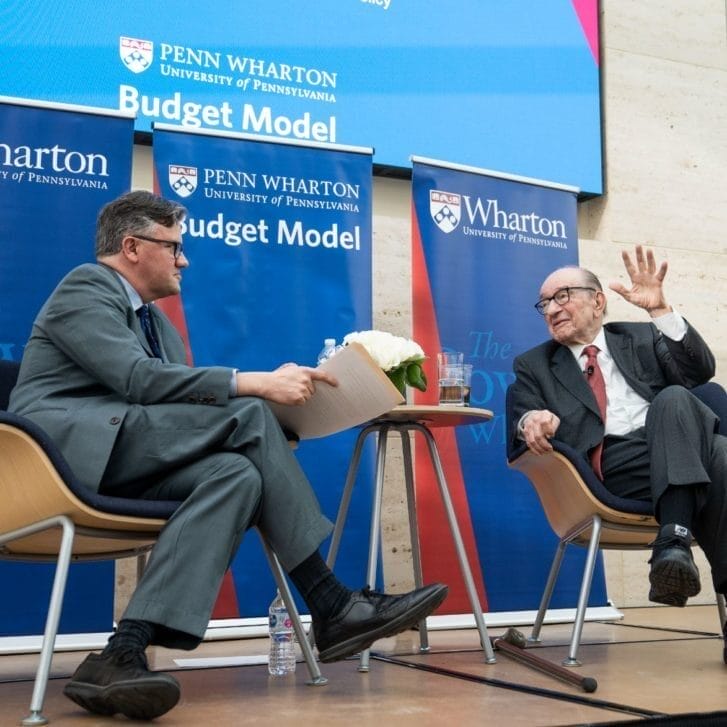
The Penn Wharton Budget Model uses data to analyze legislation through a non-partisan lens.
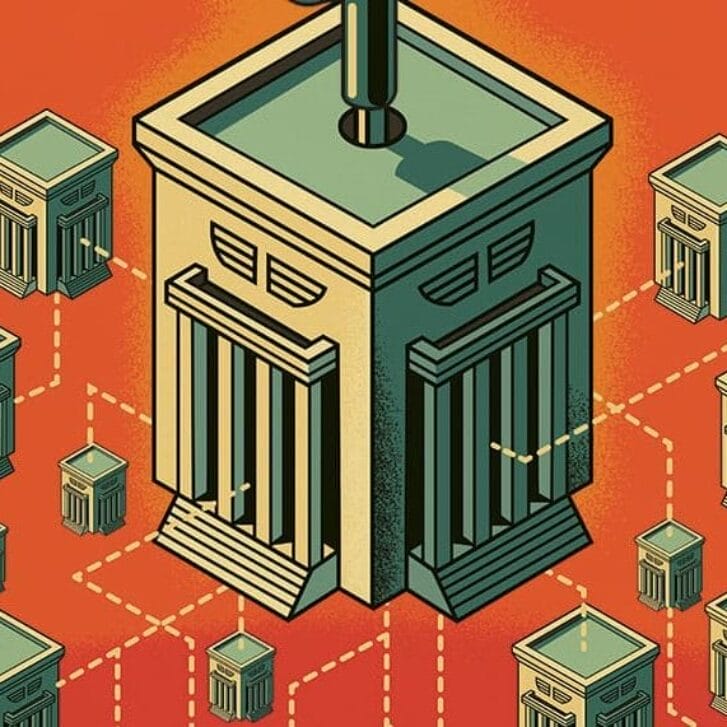
The Federal Reserve should encourage banks to manage their own risk and incentivize lending, says the senior director of the Harris Alternative Investments Program.
The senior director of the Harris Alternative Investments Program examines one of the challenges with the plan to bail out small businesses crippled by COVID-19.
Wharton professors answer the question, “What's the risk to the global economy?”
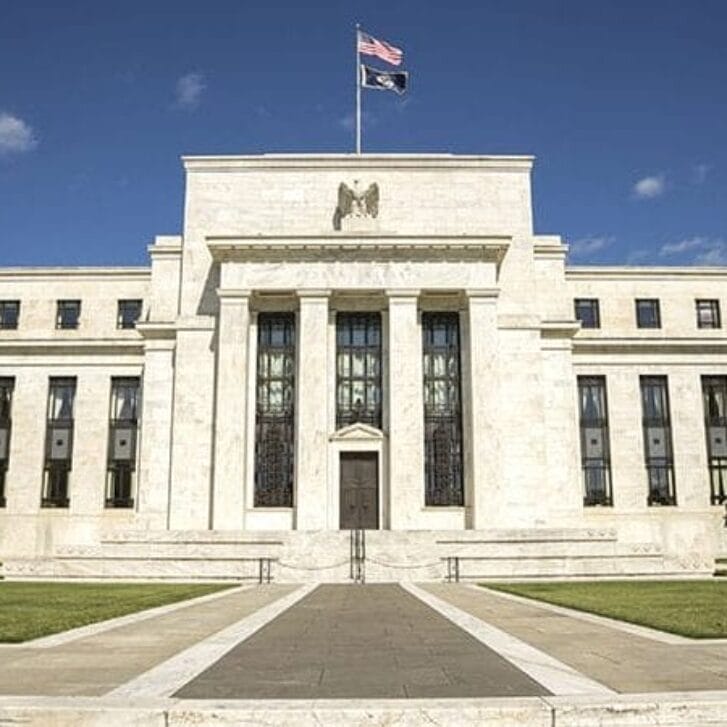
The Federal Reserve's authority over the financial system and the money supply is expansive. That power deserves a better public understanding—even engagement.
The Fed cannot cure every ill, nor is it the cause of every crisis. Still, Wharton professor Peter Conti-Brown’s stand on it is: We should know more about it.
Hedge-funder and economist Howard Kurz, C’79, ponders how unprecedented public policy has brought us to sequestration and perhaps closer to the next financial crisis.